
PICK or PASS: Shampoos & Conditioners for Color-Treated Hair
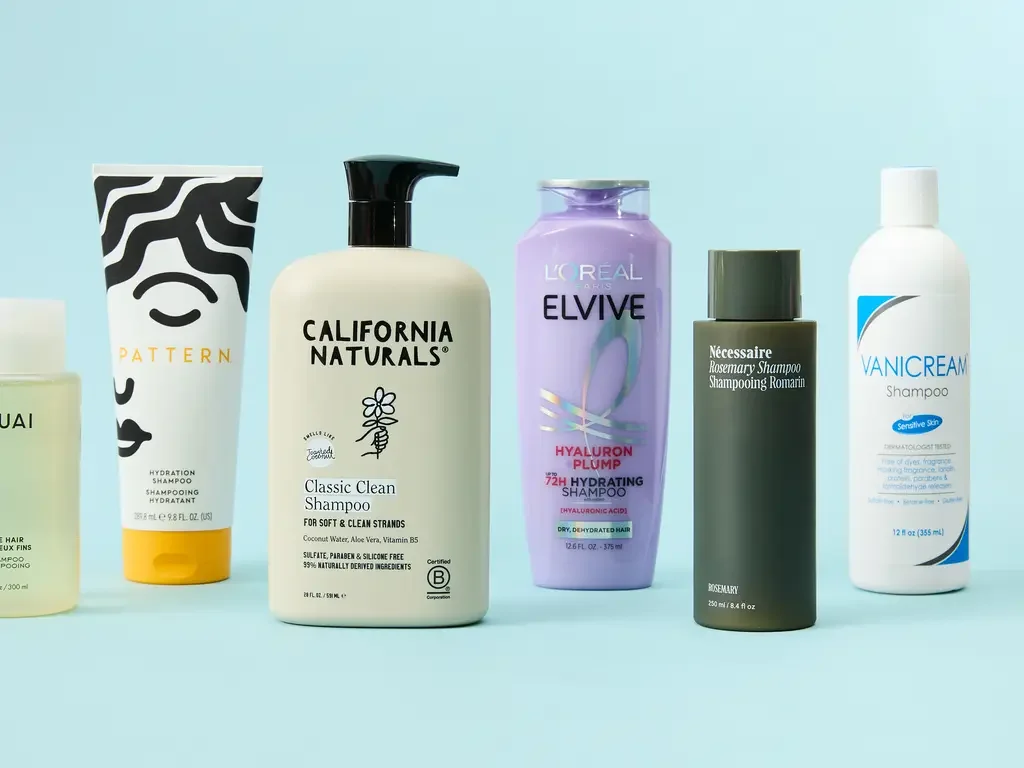
1. Sulfate-free shampoo
PICK — with a caveat
Why: A gentle, sulfate-free shampoo can be a good choice for color-treated hair, particularly for someone who washes frequently or has dry, porous, or heavily lightened hair. The goal isn't simply “never use sulfates”—it's to avoid unnecessarily aggressive cleansing when the hair doesn't need it.
Colorist take: Don't choose a shampoo solely because the front says color safe. Look at the overall formula and, more importantly, how your hair responds.
2. Shampooing every day
PASS — if you can avoid it
Why: The more frequently you wash, the more opportunities you give your color to fade and your hair to lose moisture. This is especially important for highly lightened hair.
That doesn't mean everyone needs to force themselves into a three-day wash schedule. If your scalp needs frequent washing, wash your hair. It's better to have a clean, healthy scalp than to follow an arbitrary “don't wash your hair” rule.
The key is using an appropriate shampoo and focusing shampoo primarily on the scalp rather than repeatedly scrubbing the lengths.
3. Purple shampoo every wash
BIG PASS
Why: Purple shampoo is a toning tool, not a regular shampoo.
If you're constantly depositing violet pigment onto already porous blonde hair, you can end up with dull, overly cool, grey, lavender, or muddy-looking hair. It doesn’t actually make the hair appear brighter. It makes the hair less yellow, which can also make the hair appear darker in some lights.
Use purple shampoo when you actually need to neutralize unwanted yellow tones, not because you're blonde and therefore supposedly required to use purple shampoo.
4. “Color depositing” shampoo
PICK — when used intentionally
These can be incredibly useful, but they should be treated like a color service maintenance tool.
Why: They're designed to refresh tone between salon appointments, but choosing the wrong shade or using it too frequently can shift your color away from your intended result.
Your stylist should tell you which pigment you're trying to maintain and how frequently to use it. Love to see this for a redhead client who experiences fast color fading.
5. Clarifying shampoo
PICK — occasionally
Color-treated hair absolutely can benefit from clarification.
Why: Product buildup, hard water, oils, dry shampoo, minerals, and environmental debris can accumulate on the hair and make it look dull.
The mistake is using a strong clarifying shampoo constantly on fragile, lightened hair. or using it right after getting a gloss. This will strip out color little by little. Not something you want to use often. Also, evaluate if you have a high mineral content in your water- this may be affecting how your hair never feels like it is clean even right after washing.
6. “Repair” shampoo
PICK — but don't expect miracles
A shampoo can absolutely help with conditioning, manageability and reducing friction, but it's not sitting on your hair long enough to perform the same kind of treatment as a dedicated repair mask or leave-in treatment.
So use a gentle repair shampoo and follow it with a treatment for max efficacy.
7. Deep conditioner
BIG PICK
Especially for color-treated and lightened hair.
Why: Chemical processing can compromise the hair's strength, moisture balance and lipid content. A good conditioner or mask can improve softness, manageability, and reduce friction.
Shampoo → deep condition mids-to-ends → leave-in conditioner→ oil
I call this three step process Hydrate —> Seal —> Protect
8. Protein treatment
PICK — when your hair actually needs it
This is a nuanced one.
Protein isn't inherently good or bad. The condition of your hair determines whether it's useful.
Heavily lightened hair can benefit from strengthening ingredients, but repeatedly throwing high-protein treatments at hair that doesn't need them can leave some hair feeling stiff or rough.
I'd recommend evaluating the hair rather than following a rigid schedule.
9. Lipid-rich conditioner/mask
BIG PICK for lightened hair
When hair is heavily processed, I'm not just thinking about protein. I want to think about the entire hair fiber—strength, flexibility, surface condition, and the lipid component.
For bleached hair, I like incorporating products designed to improve softness, flexibility, and the feel of the cuticle rather than relying exclusively on protein-based repair.
10. Drugstore shampoo and conditioner
PASS — sometimes
I wouldn't make this a blanket “drugstore products are bad” statement because that's not technically fair.
There are affordable products that work perfectly well for some people.
But for highly color-treated, highlighted, or chemically damaged hair, I generally want more intentional product selection.
The problem isn't necessarily the price point. It's buying something because it says “for blonde hair” or “for damaged hair” without understanding whether it's actually appropriate for your hair.
11. Buying shampoo at Sally Beauty because it says “professional”
PASS
Professional-looking packaging doesn't necessarily mean professional formulation.
The important thing is knowing what you're trying to accomplish with the product.
A colorist should be able to tell you why you're using a particular shampoo or conditioner—not just tell you to buy something because it's from a salon brand.
12. Switching products constantly
PASS
If your hair looks great, feels great and your color is behaving, you don't need to constantly change your routine because TikTok discovered a new shampoo.
Consistency makes it easier to determine what's actually working.
13. Washing with very hot water
PASS
Very hot water can be drying and irritating and frequent hot washing isn't doing color-treated hair any favors.
Lukewarm water is the better everyday choice.
14. Conditioner on the scalp
PASS — for most fine/oily hair
Conditioner belongs primarily where the hair needs it most: mids through ends.
This is especially important for fine hair because coating the roots can weigh down the hair and make it appear thinner.
15. Leave-in conditioner
BIG PICK
This is one of the products I'd prioritize for color-treated hair.
Why: Unlike a rinse-out conditioner, a leave-in stays on the hair and can provide ongoing conditioning, detangling, and protection from friction and styling.
For clients with lightened hair, I often prefer a good leave-in plus a lightweight oil over piling multiple heavy products onto the hair.
16. Hair oil
PICK
Especially for the ends.
A lightweight oil can help reduce friction, improve shine, and make dry ends feel more polished.
But:
Oil doesn't “repair” damaged hair.
It can improve how the hair behaves and feels and help protect the surface. That's different from actually reversing chemical damage.
The best shampoo and conditioner depend on what you're trying to preserve.
A client with virgin fine hair and a client with heavily bleached, porous hair should not have the same routine.
When I'm evaluating a color-treated client's hair, I'm thinking about:
What is the hair's condition?
How porous is it?
How often is it washed?
What chemical services are being performed?
Is the problem color fading, brassiness, dryness, breakage or buildup?
What is causing the damage—chemical processing, friction, heat, environmental exposure, or the client's routine?
Then I choose the shampoo and conditioner.
That's much more useful than simply saying “these are the 10 best shampoos for color-treated hair.”
Don't buy shampoo because the bottle says “color safe.” Buy it because you understand what your hair actually needs.