
Why Your Hair Always Turns Brassy (And Why That’s Not Always a Bad Thing)
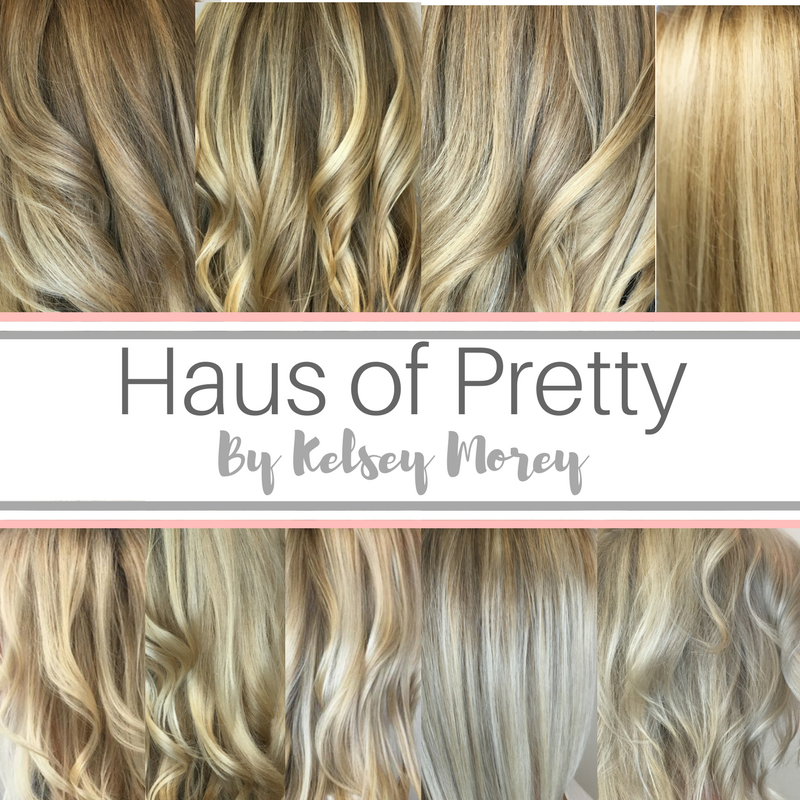
Blonde balayage gradation chart by Kelsey Morey, Founder of Haus of Pretty salon in Westport, CT.
There’s a moment, usually somewhere around week four, where it happens.
Your color doesn’t look bad, exactly.
Just… warmer. Slightly duller. A little less like the photo you walked out of the salon with.
And the immediate thought is: Something went wrong.
It didn’t.
First, Let’s Clear This Up
Hair turning brassy over time is not a failure. It’s not your stylist messing up.
And it’s not always something that needs to be aggressively fixed.
It’s often a sign that your hair is doing exactly what healthy hair does.
Color molecules are not permanent. They soften, shift and fade gradually over time. What you’re seeing is the underlying pigment re-emerging as those cooler tones wash out.
In other words:
Brass is part of the process.
Most clients will notice warmth returning somewhere between 4 to 6 weeks after their appointment. That’s normal.
And in many cases, it actually means your hair still has integrity.
Why Hair Turns Warm in the First Place
Hair doesn’t lift to blonde or brunette in a clean, neutral way. It lifts through warmth. Always.
That means:
Blondes lean yellow
Brunettes lean orange
The polished tone you leave the salon with is created through toning. Over time, that toner fades- and what’s left underneath starts to show again.
That’s not damage, that’s chemistry.
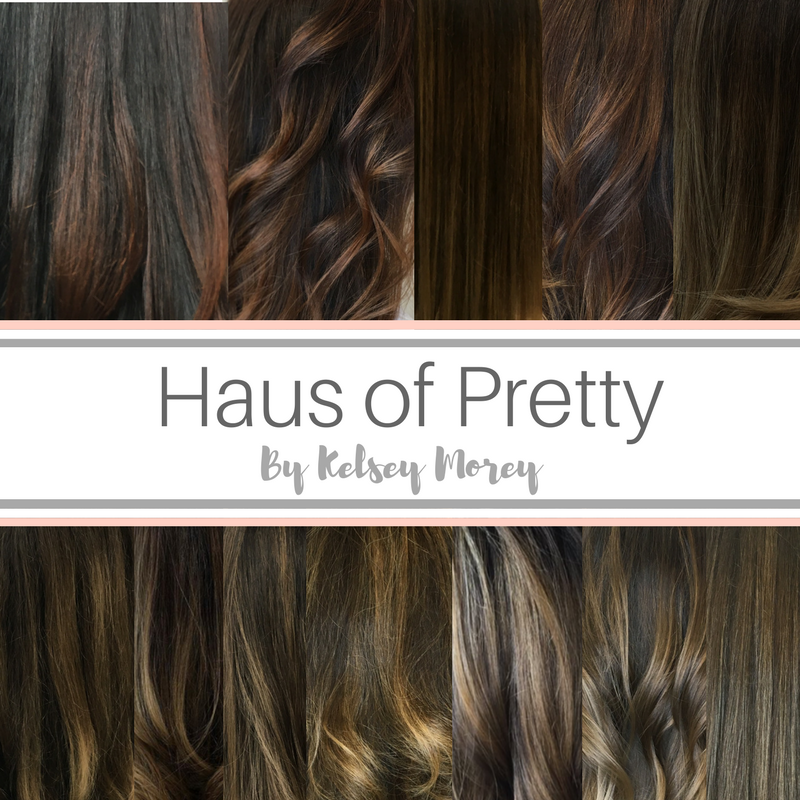
Brunette balayage gradation chart by Kelsey Morey, Founder of Haus of Pretty salon in Westport, CT.
When Brassiness Is Actually a Good Sign
This is where most people get it wrong.
They assume warmth = damage.
But overly stripped, over-processed hair often doesn’t hold warmth well at all. It looks flat, dull or almost hollow.
Healthy hair, on the other hand, holds pigment. It shifts gradually instead of breaking apart.
So when your color softens into a warmer tone over time, it can mean:
your hair is retaining structure
your color was applied correctly
your hair wasn’t pushed past its limit
The Part No One Talks About: Patience
Especially in color correction cases.
If you’re going from darker, uneven, or previously colored hair into something lighter, you are not always meant to land at your final tone in one session.
And trying to force it? That’s how hair gets destroyed. That’s exactly what our stylists are trained not to do.
A good colorist will often keep you in a slightly warmer zone temporarily while safely lifting the hair over 2 to 3 sessions.
It’s intentional.
Because here’s the reality:
Broken, over-processed hair, even if it technically reaches your “goal color”, never looks good.
Tone without integrity doesn’t read as luxury. It reads as damage. And once it’s damaged, you’re really in trouble.
When Brassiness Is Something to Address
Of course, not all warmth is intentional.
There are outside factors that can exaggerate it:
Mineral buildup from hard water
Frequent heat styling without protection
Using products that strip toner too quickly
This is when the tone can start to look uneven, dull, or overly orange.
How to Refine Your Color Without Overcorrecting
The goal is not to erase warmth completely. It’s to balance it.
Use toning products strategically
Purple for yellow tones, blue for orange- but not every day, and not excessively. Too much can make your hair appear dull, as warm tones reflect light. Cooler tones do not. Here is the brand of purple and blue shampoo I most recommend.
Support your water quality
A shower filter can make a noticeable difference over time
(I have researched several brands, and this is the one I swear by)
Maintain with gloss treatments
This is what keeps color looking expensive, reflective and intentional. Glosses actually rebuild the hair by infusing it with necessary nutrients for the hair structure to remain whole. It’s acidic pH keeps the cuticle closed, and thus hair looking shiny, and it imparts tones onto the hair to keep it within your preferred color range. Yeah, you should be doing this monthly. That’s why we have a gloss club for frequent flyers.
Be mindful with heat
Less heat, or better protection, equals longer-lasting tone. Use that Pearl heat protectant like your life depends on it. There are videos that exist on the internet that show you how a straightener can instantly change the tone of your hair. Go ahead, Youtube it, we dare you!
What Usually Makes It Worse
This is where people accidentally sabotage their own color:
Overusing purple shampoo until the hair feels dry and flat
Trying to “fix” warmth with more bleach instead of tone
Expecting the same tone at week six that you had on day one
Hair doesn’t stay static. It evolves. It also looks different in various light sources. Don’t compare your hair under fluorescent lighting in your Dermatologist’s office to your Inspo picture, or you’ll be struck with major Paris Syndrome.
A Better Way to Look at It
Instead of asking,
“Why is my hair turning brassy?”
The better question is:
“Is this a natural shift, or something I need to adjust?”
Because not all warmth is a problem.
Sometimes, it’s just your color settling into something softer, more lived-in, and more natural.
If your hair keeps turning brassy and you’re not sure whether it’s normal, or something that needs to be corrected, it’s usually a combination of factors, not just one.
I break this down step by step in my virtual consultations so you know exactly what to fix (and what to leave alone).